

More than 80 workers at Oldham Council-owned MioCare will strike for 48 hours from 4 October. They work in extra care, supporting people in assisted housing to live independently. UNISON says some earn £2.10 an hour less than colleagues elsewhere in MioCare doing similar work and are seeking a sick-pay scheme already available to other staff.
One employee received just £45 in a month after being unable to work because of an injury sustained on the job. A person can spend each shift helping other people wash, eat, move safely and remain in their own homes, then find there is almost nothing beneath them when their own body fails. That £45 tells us a great deal about the labour on which British social care rests.
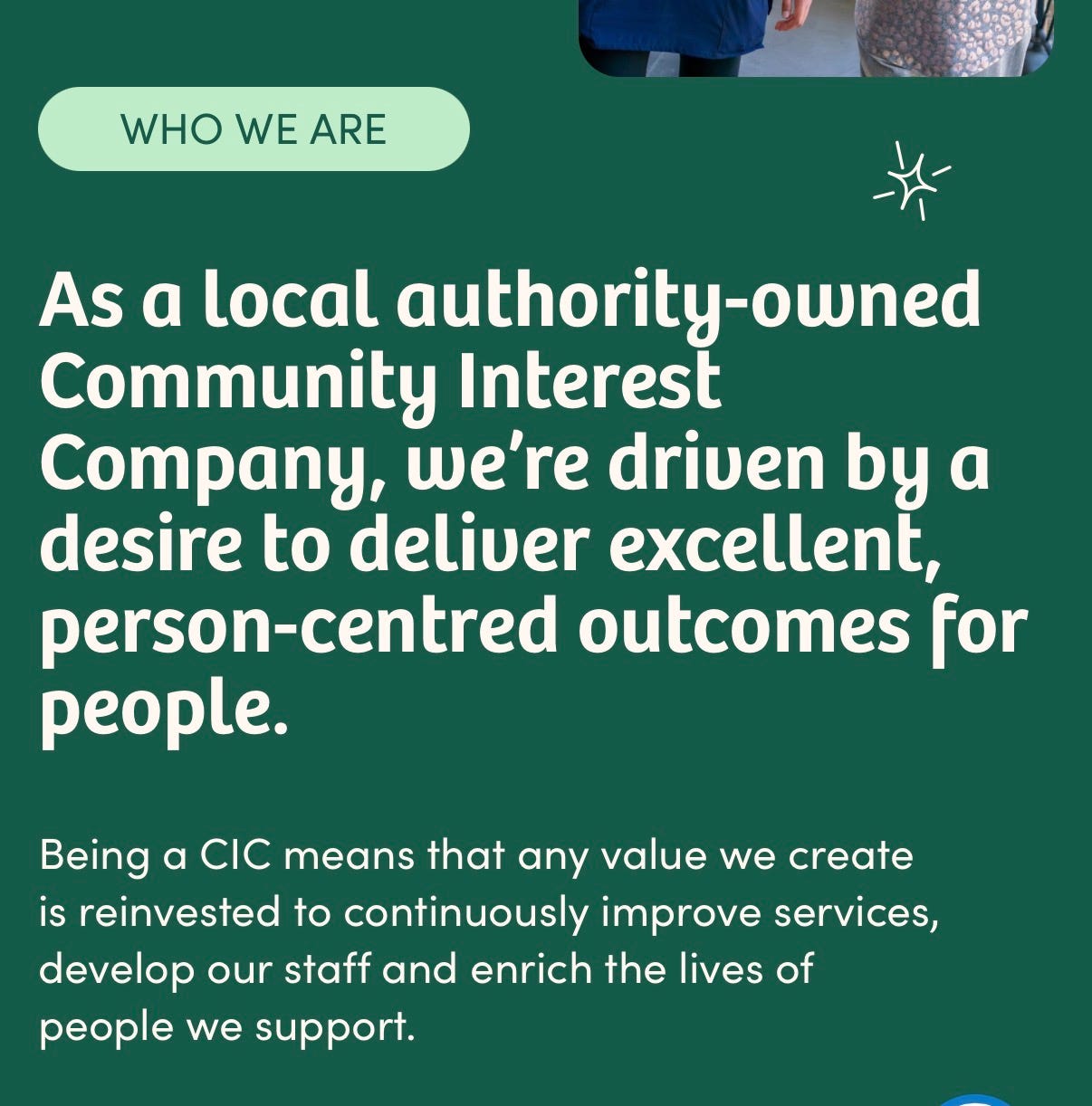
The workers struck for 24 hours on 21 September. UNISON says no offer followed, so the dispute over pay parity and sick pay continues. MioCare describes itself as a local-authority-owned Community Interest Companywhose value is reinvested in services and staff. Oldham Council’s own records show that it fully owns the group.
Burnham’s conference rhetoric
Andy Burnham addressed care workers directly at Labour conference three days before the latest strike was announced. He spoke about people who had cared for his father while living on “poverty pay” and holding together a “threadbare system”. His government has promised a National Care Service providing free personal care for older people in the next Parliament and “proper recognition” for the people doing the work.
The people in Oldham already work for a public owner. Their employer provides an essential service on behalf of the council, yet workers inside the same organisation can receive different pay and sick-pay arrangements. Ownership determines who ultimately controls the organisation and where any surplus goes. Wages, conditions and power at work still have to be fought over.
MioCare emerged from services that had once been delivered directly inside the council. Oldham created the company structure in 2013 from former in-house adult social-care services, keeping it in council ownership while placing provision inside a separate corporate body. The current dispute sits inside that arrangement. Public care is being delivered by public employees who have still had to withdraw their labour to demand equal treatment.
Fragmented labour market
A National Care Service will inherit a labour market fragmented across councils, private firms, charities, community-interest companies and contractors. Funding comes through several routes and employment terms vary from provider to provider. For the worker, this appears as the rota they are given, the wage they take home, the time allowed for each visit, their pension and what happens when they are too ill to work.
Free personal care removes charges from service users. It does not automatically raise the wage of the person providing it. National funding can stabilise a provider while unequal contracts remain in place. The social value of care has been praised for years while its price has been held down through the conditions imposed on the people doing it.
Burnham’s own speech makes the workforce unavoidable. He praised the skill and humanity of carers and apologised for the political failure that left them poorly paid. A service presented as comparable in ambition to the creation of the NHS cannot depend on the same insecure employment model. “Proper recognition” has to appear in a contract and a wage packet, not only in a conference hall.
National agreements are important
The NHS has never been free of inequality or labour conflict. It did establish a stronger national idea of the healthcare workforce, with nationally negotiated pay structures across much of the service. Social care developed through a looser patchwork of providers and commissioning arrangements. Each organisation can point to its own budget and explain why it cannot pay more. The worker carries the difference from one employer to the next.
Council ownership gives MioCare no escape from the wider financial pressures on local government. Authorities have spent years absorbing rising statutory demand within constrained budgets, and social care takes an increasing share of available resources. A council-owned company can therefore face the same pressure to restrain staffing costs found elsewhere in the sector. Those pressures reach workers as lower pay, weaker benefits or demands for savings.
Oldham’s accounts describe MioCare as fully owned by the council. The ownership question is settled on paper. The distribution of financial pressure is not. When money is tight, staffing budgets become one of the places where the strain appears. Industrial action turns that accounting choice into a public argument about what care work is worth.
National settlement from the start
A National Care Service needs a workforce settlement written into its foundations. National minimum terms, occupational sick pay, pensions, training standards and a route to equal pay for equivalent work all require funding and bargaining machinery. Collective bargaining cannot be left to a later phase once the institutional shape is fixed. If employment remains fragmented at provider level, much of the old system will survive inside the new one.
Britain has kept care artificially cheap by shifting costs onto workers and families. Low wages sit alongside unpaid family labour, weak sick-pay arrangements and council commissioning rates that leave little room for better terms. Raising the quality of care means raising the amount society is prepared to spend on the people who provide it.
Debate over Burnham’s plan has already concentrated on pensions and the future of the triple lock. The government says changes from April 2030 will help fund the National Care Service. The Oldham dispute shows what that money has to change when it reaches the workforce. A service can be free at the point of use and still depend on employees who cannot afford to be ill.
Workers’ action is key
The workers preparing to walk out are already providing the kind of support politicians say they want to expand: care close to home that preserves independence and reduces pressure elsewhere in the system. They are doing it for an organisation owned by the public. Their dispute exposes the distance between public ownership as a legal status and public service as a decent way to organise work.
Burnham told care workers they would no longer be invisible. In Oldham, they have made themselves visible through the power they possess collectively: they are withdrawing their labour.