


Source >> Labour Campaign for Free Movement
In Kalamata, the 102-104 surviving refugees from the shipwreck are housed in a warehouse awaiting to be moved to one of Greece’s refugee camps.
Contrary to BBC reports, there are a great mixture of refugees, many speaking Arabic.
I have been talking to many local people and some political activists. All in support of the refugees. All asking the same question: “how if the location of the boat was known and that it was in distress, could this happen?”
The former Prime Minister Tsipras was here this morning. The details of his response are still awaited.
There is a mixture of anger at the EU and UK leaving Greece in the lurch of taking the bulk of the growing flow of desperate refugees. But also a degree of apology for Greece’s response: “what can Greece do when the rest of Europe do nothing?”
After the recent election which the left (Syriza) lost, there is a low morale. But the anger with what happened over the past two days is huge.
There is a certain degree of cynicism about the incoming government’s response. About whether an enquiry will reveal what the Greek border police’s responsibility is.
The faith is not with politicians, but more with relief and sea rescue agencies. Several times I heard “we need human solidarity”, “solidarity between people”. They are right, but we can’t let politicians off the hook. We need a political campaign across Europe for free movement.
And that can’t be a campaign for passing the buck but of doing immediate relief and political action, as much as we can, everywhere. No refugee turned back or left to die. No leaving of Greece or any country to carry the weight. This horror must be stopped.
See also: this account from the Alarmphone initiative, which attempted to raise the alarm after passengers on the boat contacted them before the capsizing. Alarmphone explain how the Greek coastguard’s violent policies push people on the move in the Mediterranean to take more dangerous routes as they attempt to escape the brutality.
Art (63) Book Review (128) Books (114) Capitalism (69) China (83) Climate Emergency (99) Conservative Government (90) Conservative Party (45) COVID-19 (46) EcoSocialism (71) Elections (87) Europe (46) Fascism (76) Film (49) Film Review (69) France (83) Gaza (65) History (45) Imperialism (105) Israel (136) Italy (49) Keir Starmer (59) Labour Party (117) Marxism (50) Marxist Theory (47) Palestine (204) pandemic (78) Protest (159) Russia (356) Solidarity (162) Statement (50) Trade Unionism (148) Ukraine (362) United States of America (143) War (379)
The Anti*Capitalist Resistance Editorial Board may not always agree with all of the content we repost but feel it is important to give left voices a platform and develop a space for comradely debate and disagreement.
Latest Articles
- Remembering Aberfan – Sixty years on
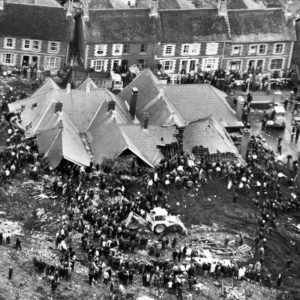 Geoff Ryan looks back at what happened at Aberfan in 1966 and subsequent events which suggest that there is a possibility of another disaster, particularly because of climate change.
 - Mass protests of youth and workers spread to Italy
 Dave Kellaway reports from Italy as mass protests of youth and workers are breaking out
 - California burns again: The wildfires Mike Davis warned us about
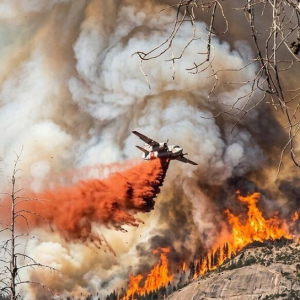 One month ago we reported on a huge upsurge of wildfires, once again threatening California. When the article was published, the flames were dying down. Now they’re back, notes Phil Hearse.
 - Together Alliance goes local, without members
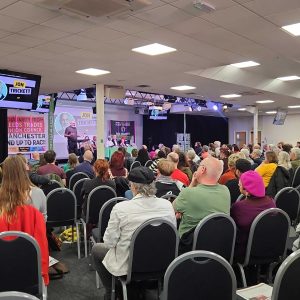 Manchester summit: a call to move “from mobilising to organising”, and an alliance individuals cannot join. Duncan Chapel reports from the first of two Together Alliance summits
 - Stop the far right: Mobilize to elect Lula in the runoff!
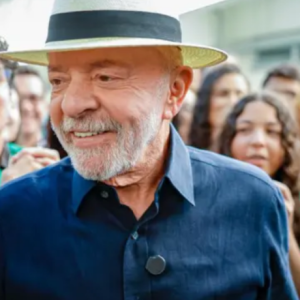 Statement of the Executive Bureau of the Fourth International on 12 October 2026.